— The Catalog · Twelve Varieties

Know every mushroom before it knows your pan

Our full working catalog of culinary mushrooms — each profiled with its latin name, character, habitat and kitchen use. This is an educational reference: we describe varieties, we don’t sell them.

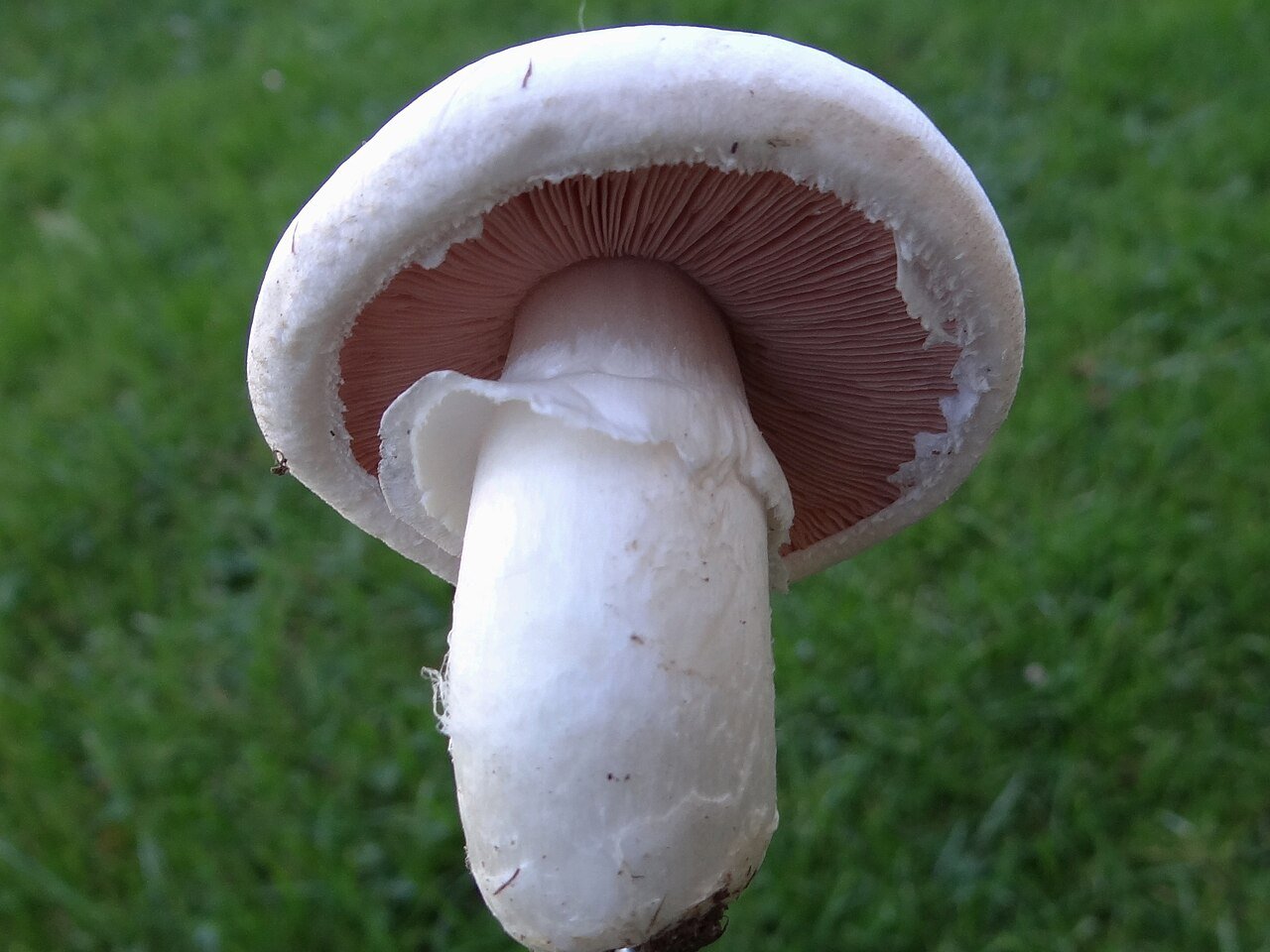
Portabella mushrooms01 / Variety

Portabella

Agaricus bisporus · cultivated

The fully mature form of the common button mushroom, grown wide and dense. Its open, dark gills and thick cap deliver deep, savory character — the reason it stands in for steak at so many tables.
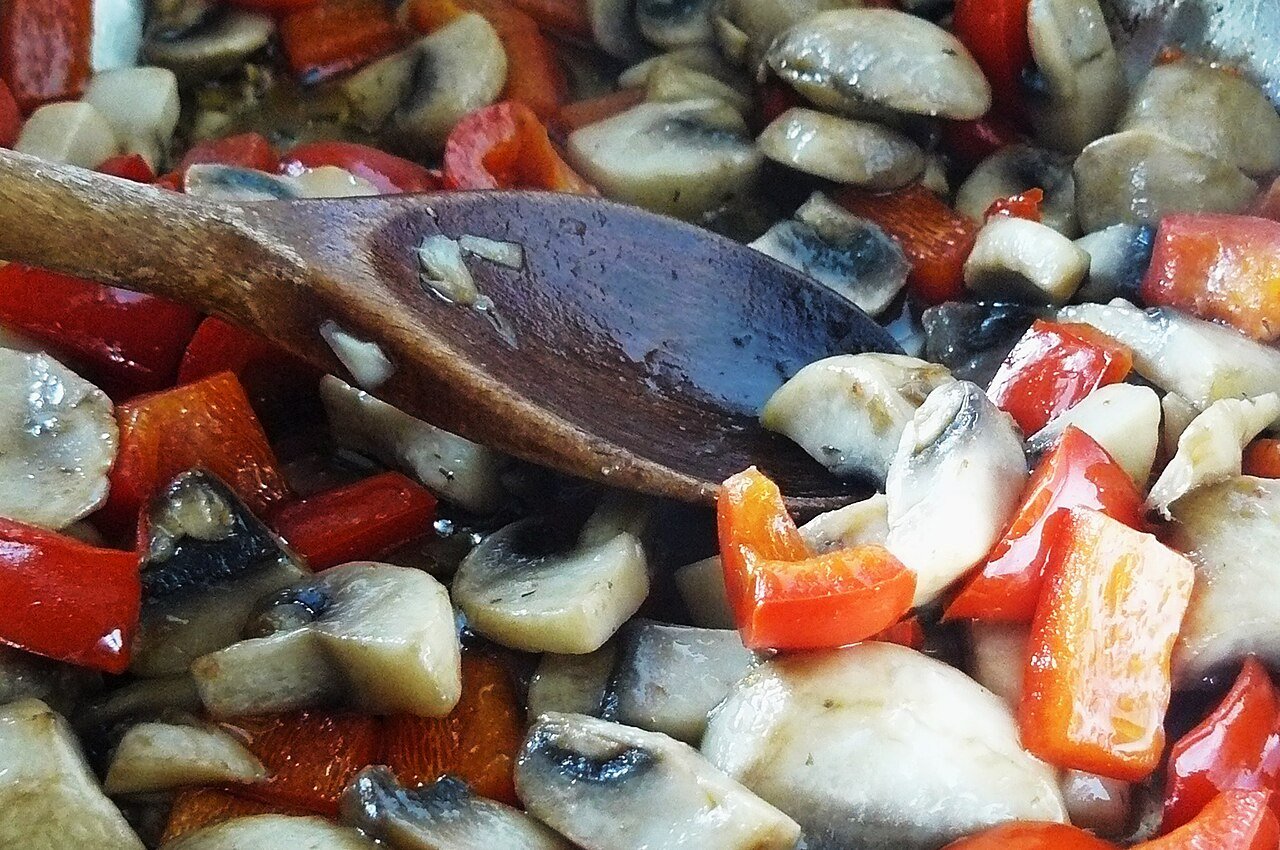
Kitchen · grilling, roasting, stuffed caps

Cremini mushrooms02 / Variety

Cremini

Agaricus bisporus · cultivated

The portabella’s younger sibling — harvested while still brown, firm and closed. Earthier than the white button, sturdier in the pan, and the quiet workhorse behind countless sauces and weeknight sautés.

Kitchen · sautés, sauces, braises

Enoki mushrooms03 / Variety

Enoki

Flammulina filiformis · cultivated

Slender, delicate clusters grown in the dark for their snowy color and long stems. Mild and slightly sweet, they need barely a minute of heat — and bring elegance to broths, hot pots and salads.

Kitchen · soups, hot pot, quick pickles

Shiitake mushrooms04 / Variety

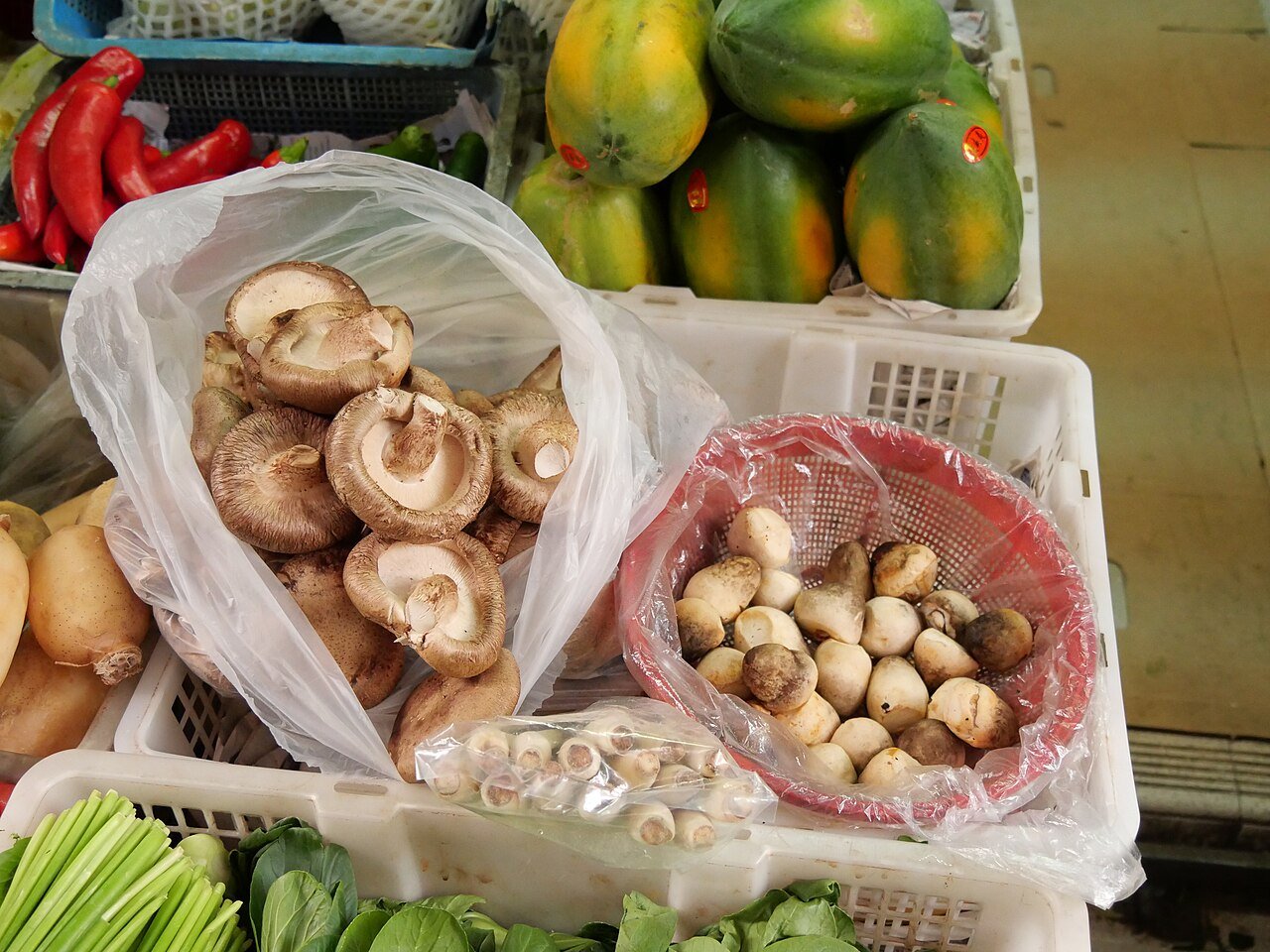
Shiitake

Lentinula edodes · cultivated on oak

For centuries the pillar of East Asian kitchens. Broad brown caps with a smoky, umami depth that intensifies with drying. The stems are firm — save them for stock, cook the caps until the edges crisp.

Kitchen · stir-fries, broths, miso soups

Oyster mushrooms05 / Variety

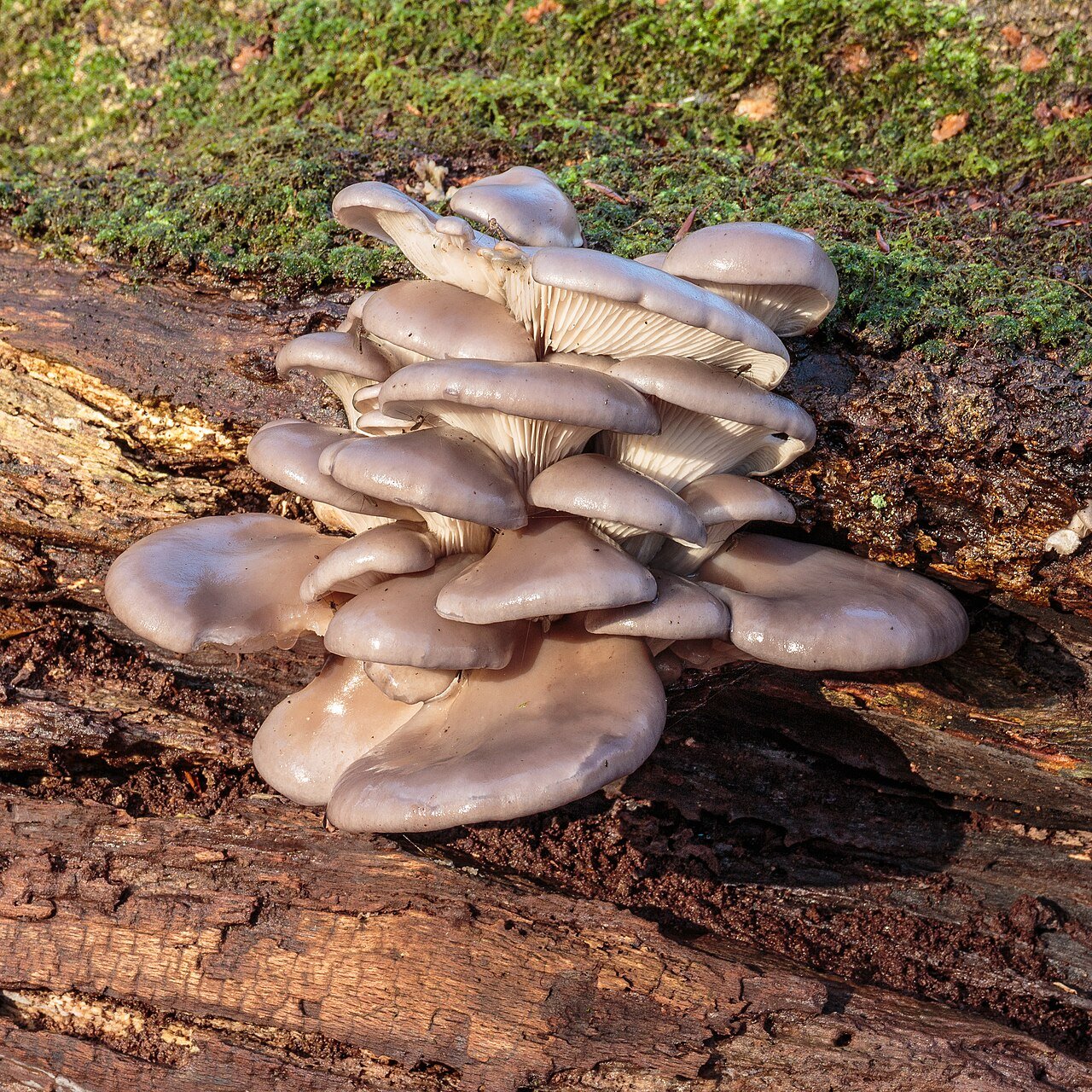
Oyster

Pleurotus ostreatus · cultivated & wild

Shell-shaped shelves that fruit in overlapping tiers on hardwood. Tender, with a faint anise sweetness and a cook-time measured in minutes. One of the easiest gourmet varieties to grow at home.

Kitchen · fast sautés, pastas, tacos

Lion's mane mushroom06 / Variety

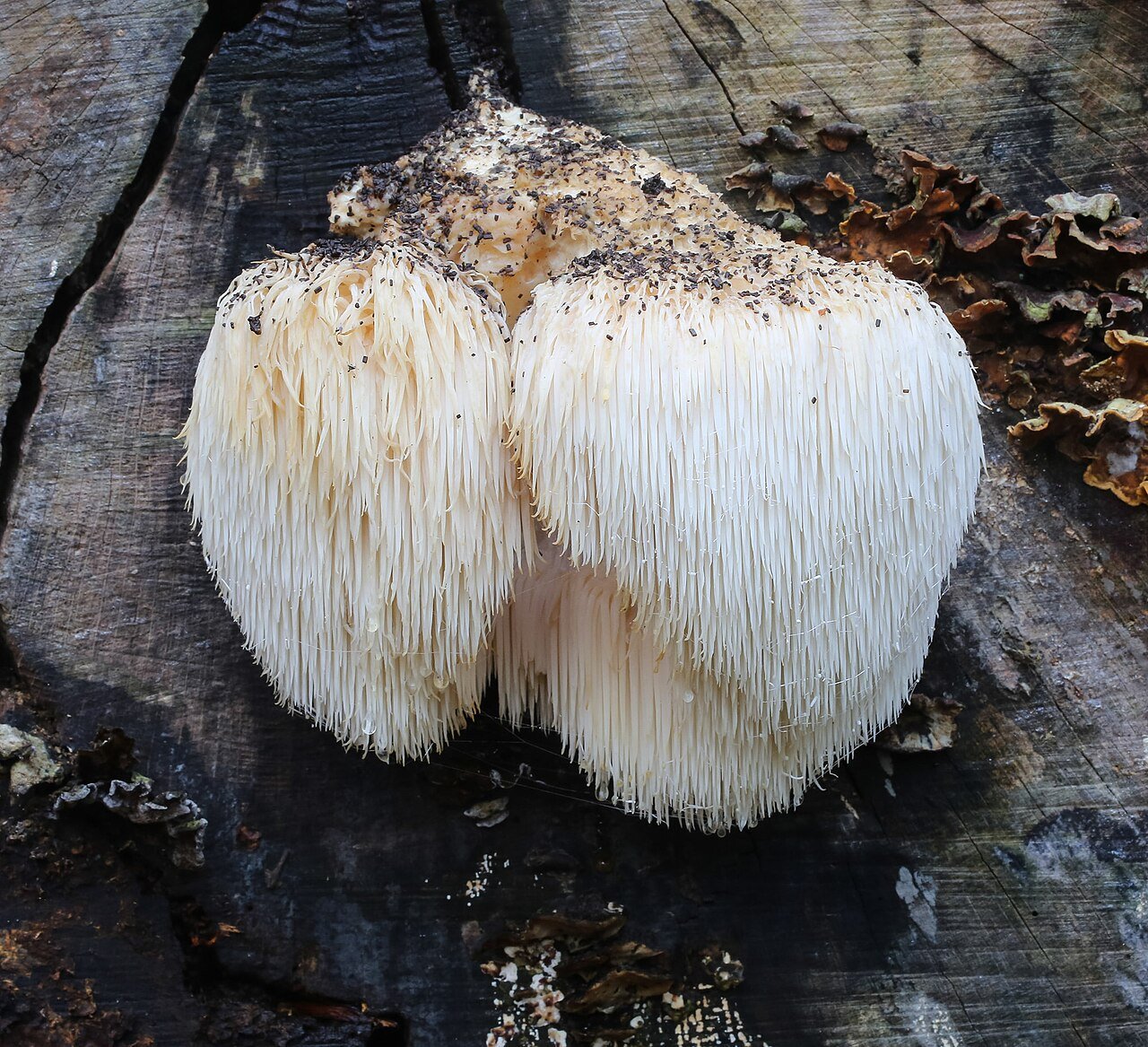
Lion’s Mane

Hericium erinaceus · cultivated & wild

A cascade of white spines rather than gills, growing on wounded hardwoods. Its flesh shreds like crab or lobster when cooked gently — the most remarkable texture in the mushroom kingdom.

Kitchen · seared thick, crab-style cakes

King trumpet mushrooms07 / Variety

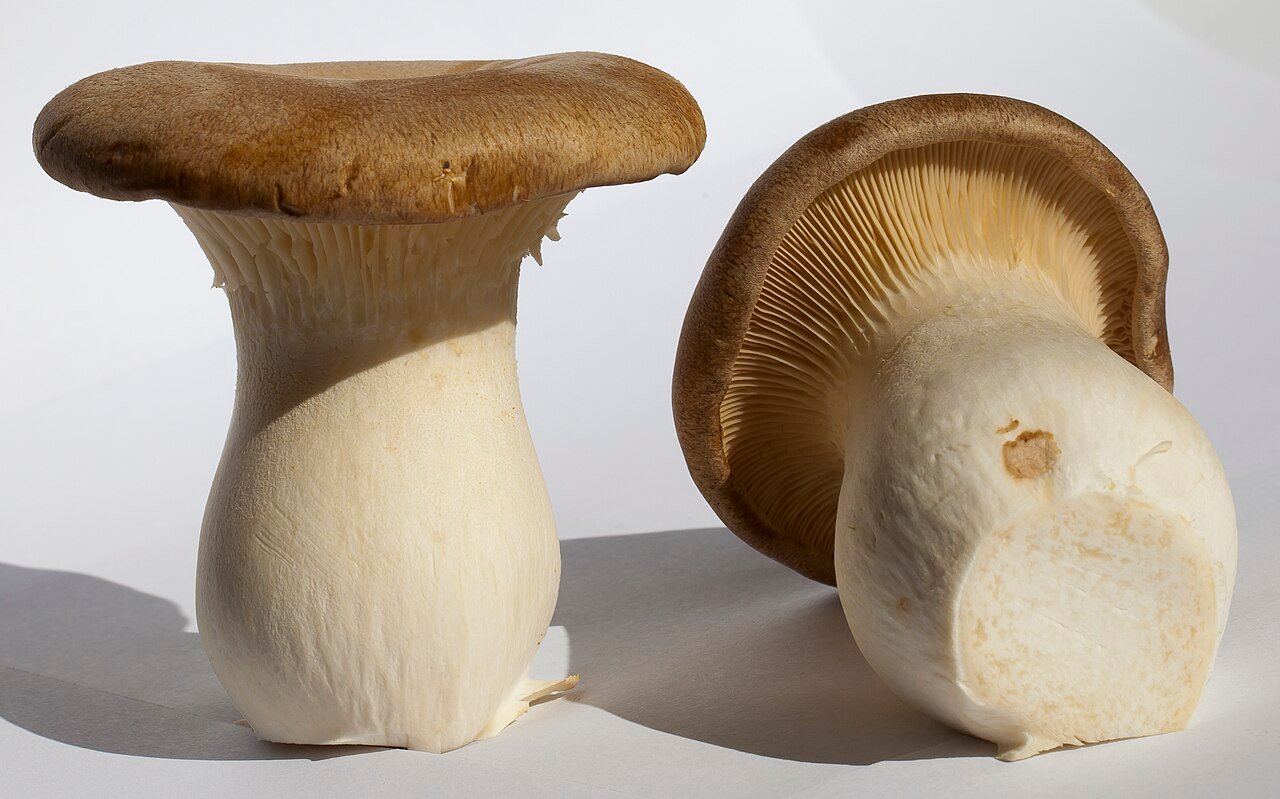
King Trumpet

Pleurotus eryngii · cultivated

The largest of the oyster family, grown for its thick, meaty stem more than its modest cap. Sliced into coins and seared, it turns golden and dense — famously standing in for scallops.

Kitchen · searing, grilling, vegan scallops

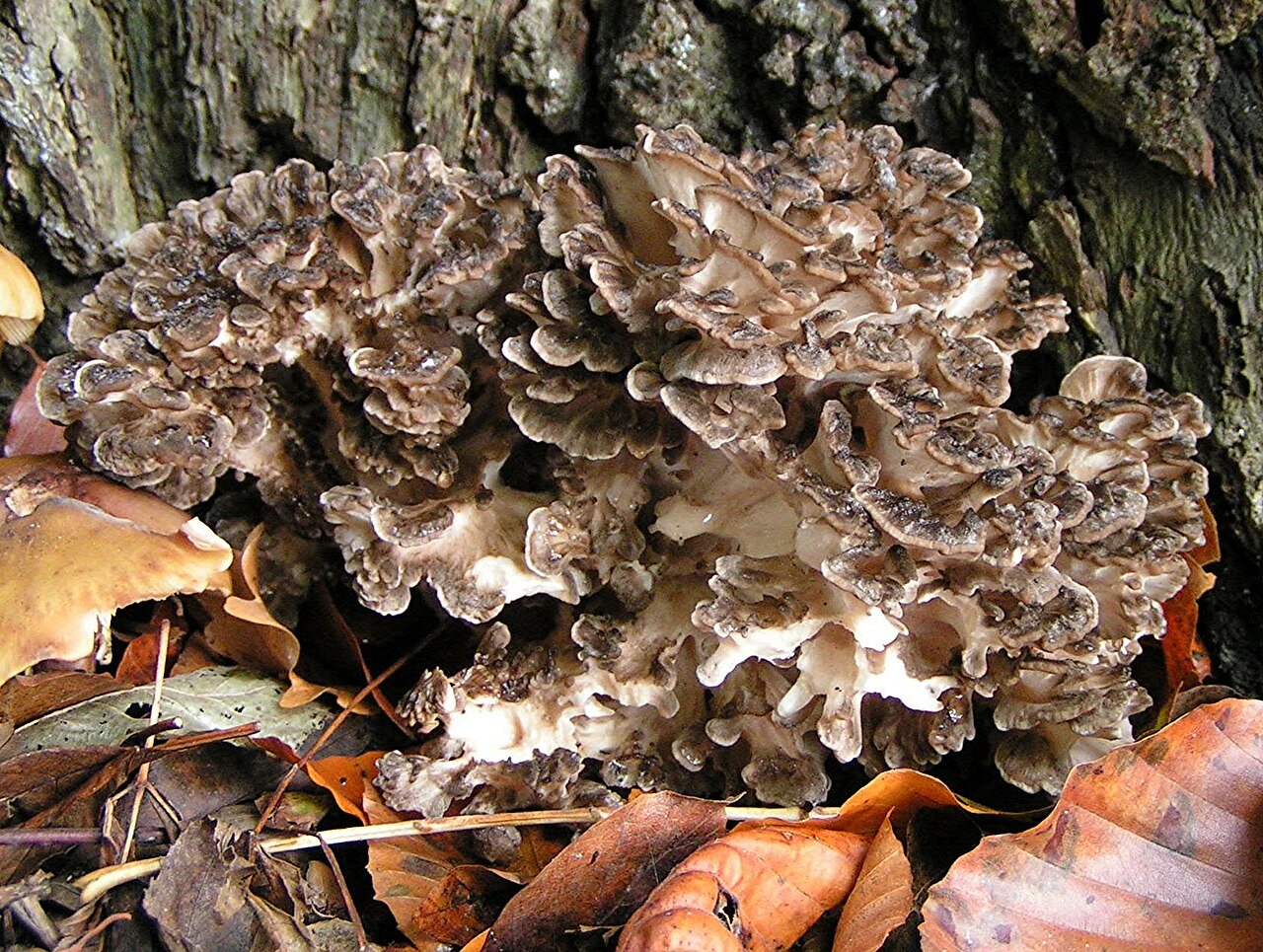
Maitake mushrooms08 / Variety

Maitake

Grifola frondosa · cultivated & wild

The “dancing mushroom” — a ruffled, rose-like cluster found at the base of oaks. Rich and woodsy, with crisp tips and tender cores. Roast it whole; the edges turn almost fried-chicken crisp.

Kitchen · roasting, sheet-pan dinners

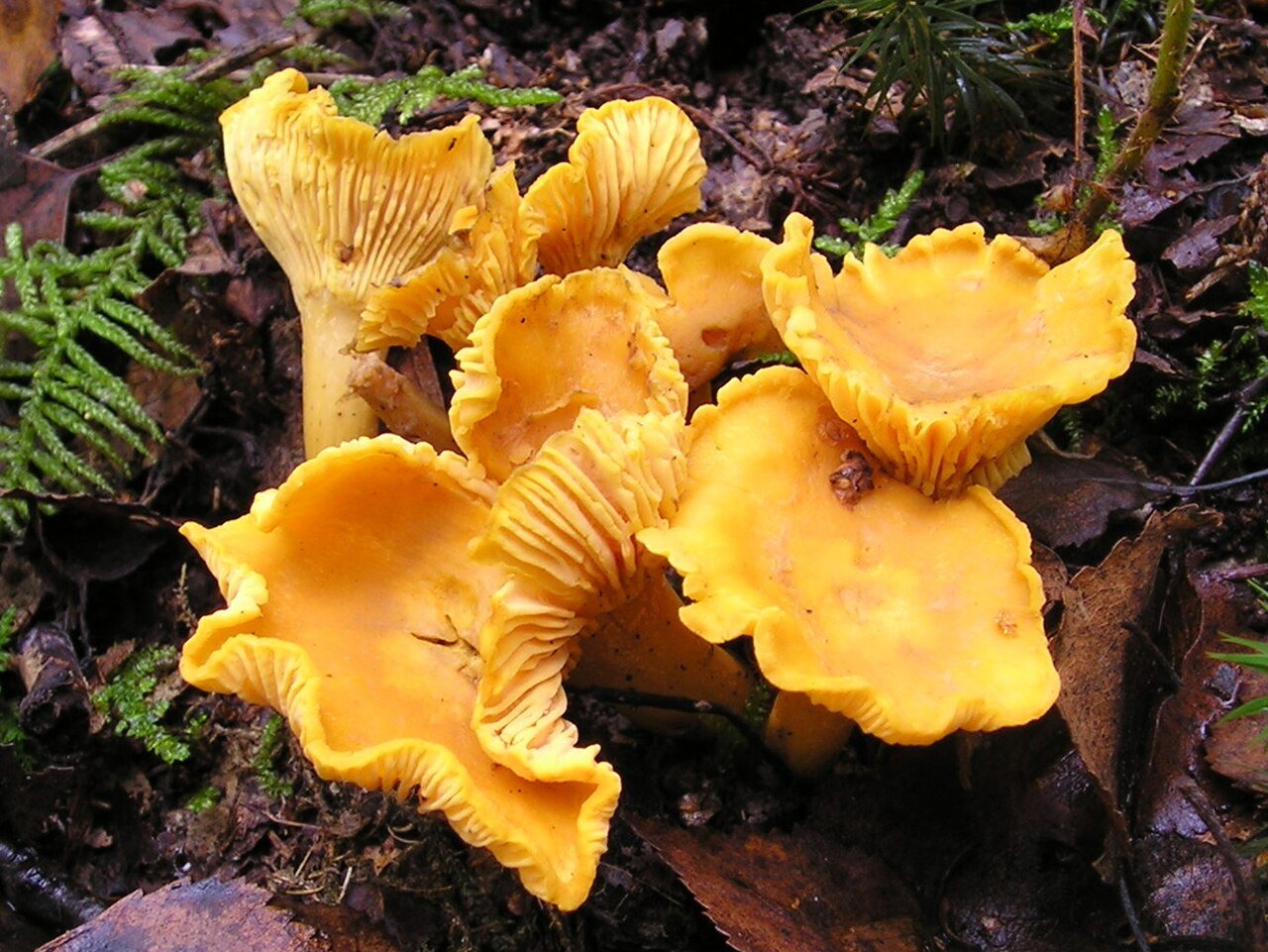
Golden chanterelles09 / Variety

Chanterelle

Cantharellus cibarius · wild, summer

Golden trumpets of the oak forest floor, scented faintly of apricot. Firm, almost fruity, and never (successfully) farmed — every chanterelle in a basket was found by a patient eye.

Kitchen · butter sauces, eggs, toast

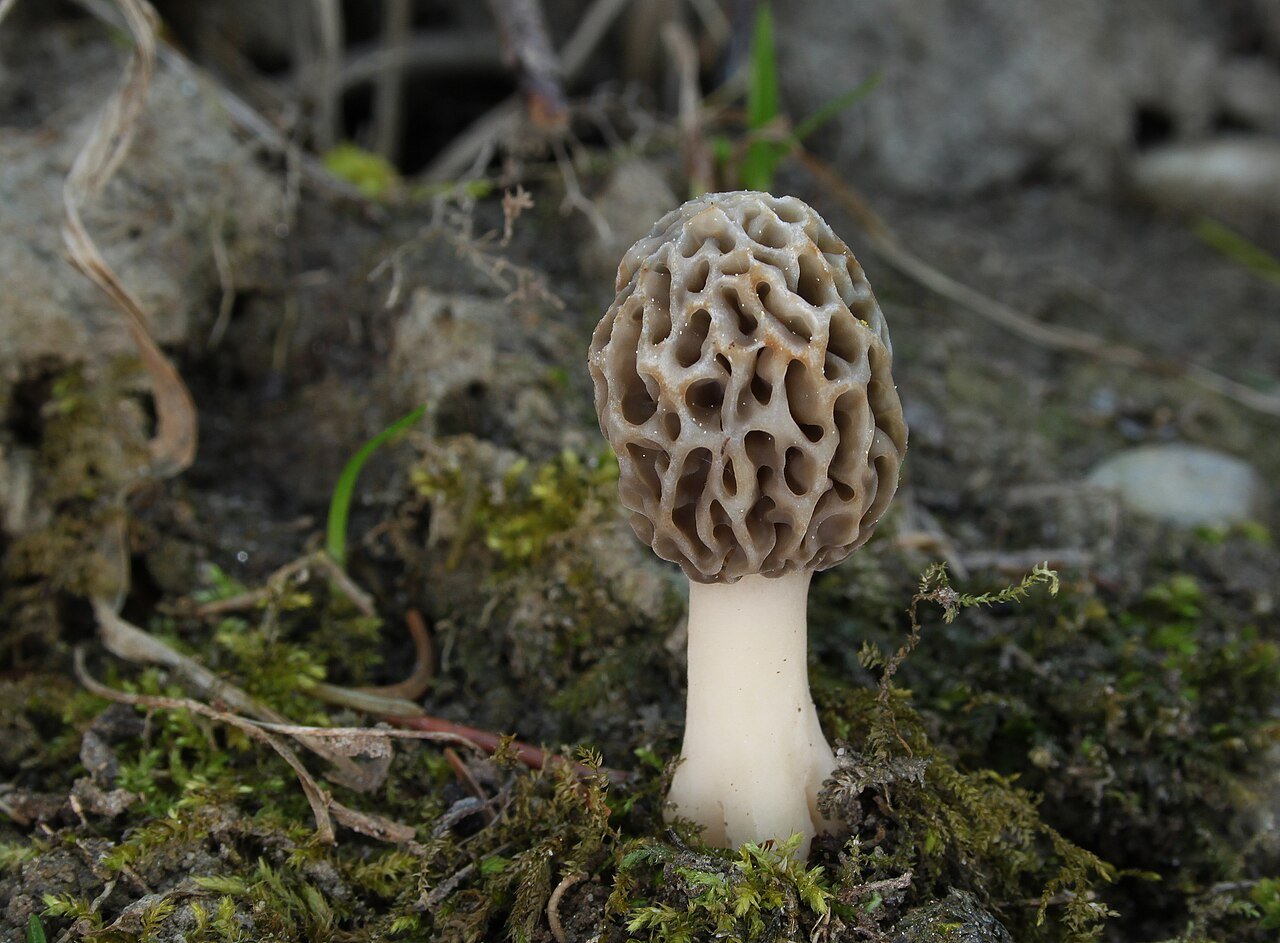
Morel mushrooms10 / Variety

Morel

Morchella esculenta · wild, spring

The honeycombed prize of spring — after burns, in old orchards, beneath elms. Nutty, meaty and hollow through the stem. Its arrival each year marks the true start of the forager’s calendar.

Kitchen · cream sauces, pan-fried whole

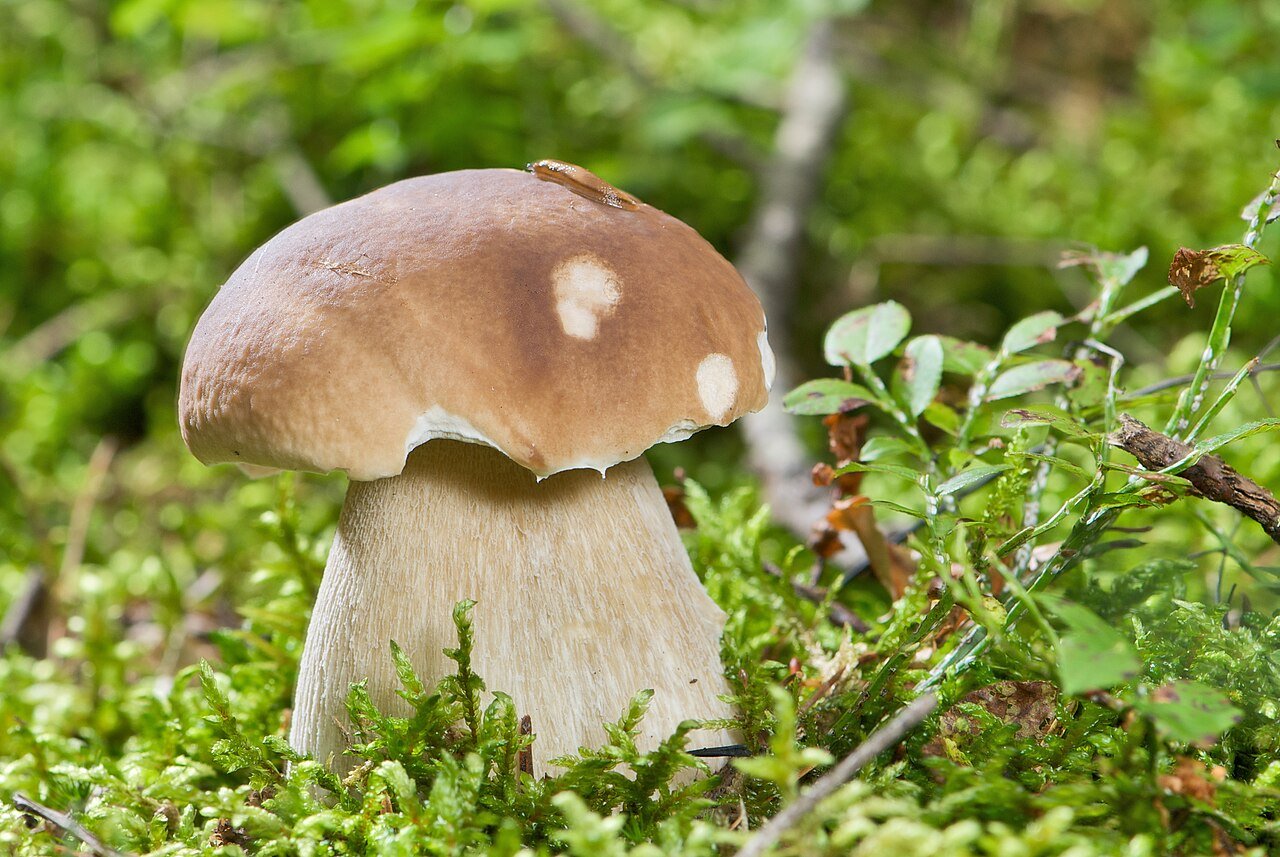
Porcini mushrooms11 / Variety

Porcini

Boletus edulis · wild, autumn

The “king bolete” — fat, chestnut-capped, with a spongy pore layer instead of gills. Deeply nutty and aromatic, it is the soul of Italian autumn cooking, fresh sliced thin or dried into intense powder.

Kitchen · risotto, pasta, roasting meats

Beech mushrooms12 / Variety

Shimeji

Hypsizygus tessellatus · cultivated

Tight little clusters — brown or white beech mushrooms — with small caps and crunchy stems. Mildly nutty and holding their snap under heat, they finish ramen, stir-fries and noodle bowls beautifully.

Kitchen · ramen, stir-fries, sautés

A note on this catalog: these profiles are educational descriptions of culinary mushroom varieties — how they grow, how they’re identified and how cooks prepare them. Wild mushrooms should only be gathered with proper field knowledge and a trusted reference; when in doubt, leave it in the forest.